


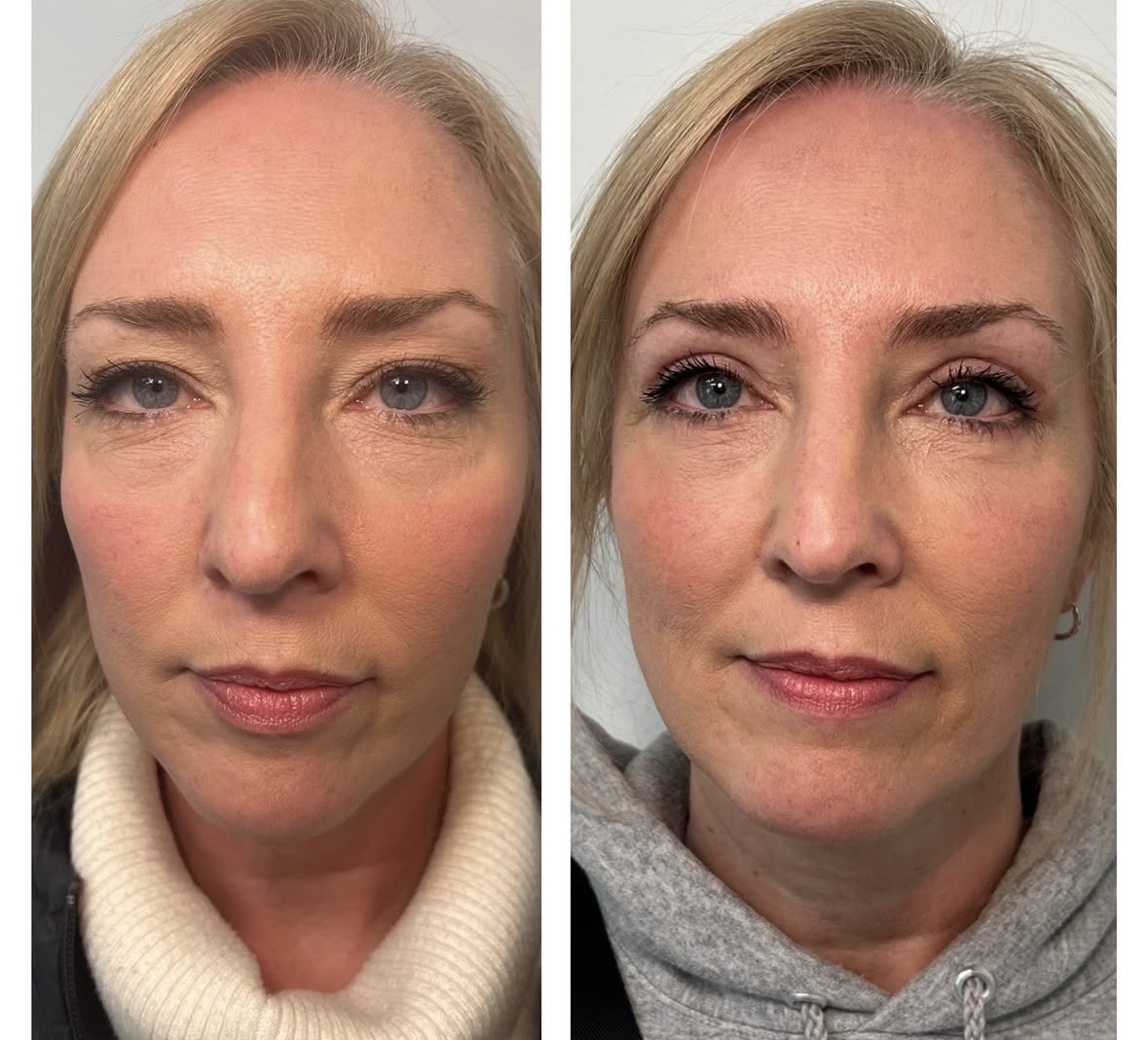
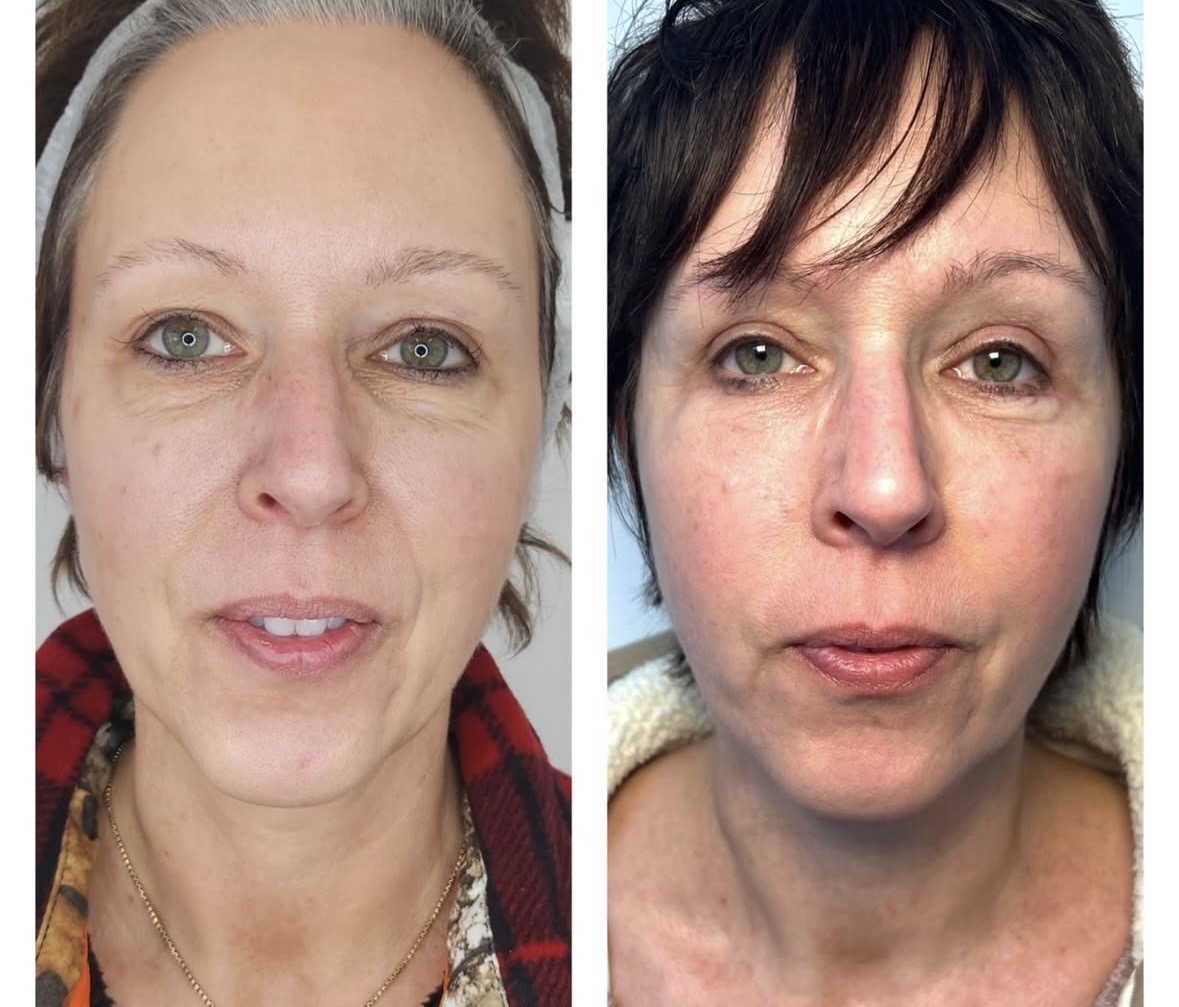
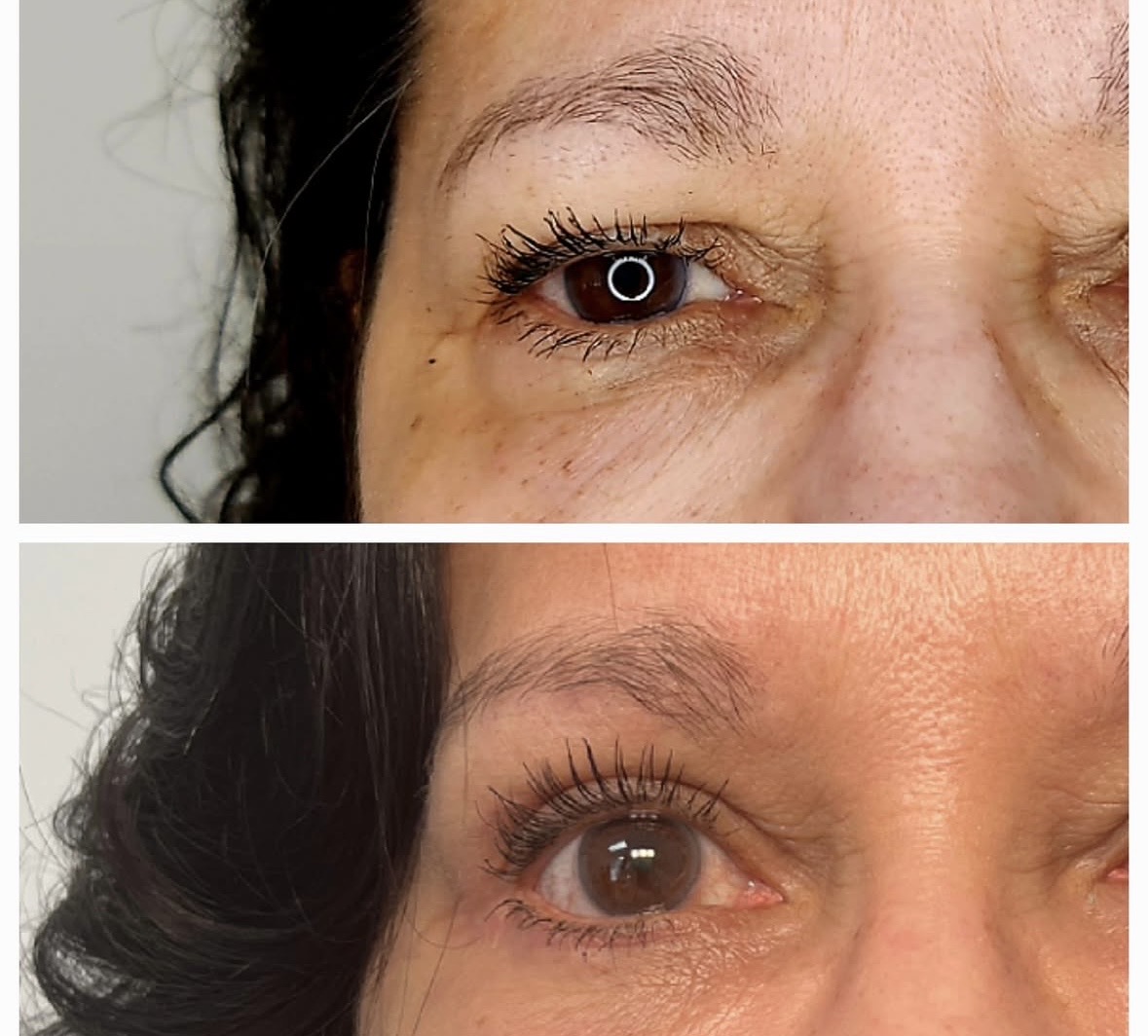


Upper Eyelid Surgery in London, Ontario
Upper Eyelid Blepharoplasty
Upper eyelid surgery, also known as upper eyelid blepharoplasty, is a specialized facial plastic surgery procedure designed to remove excess skin and improve the contour of the upper eyelids. Some patients refer to this as upper eye surgery, but medically it is called blepharoplasty.
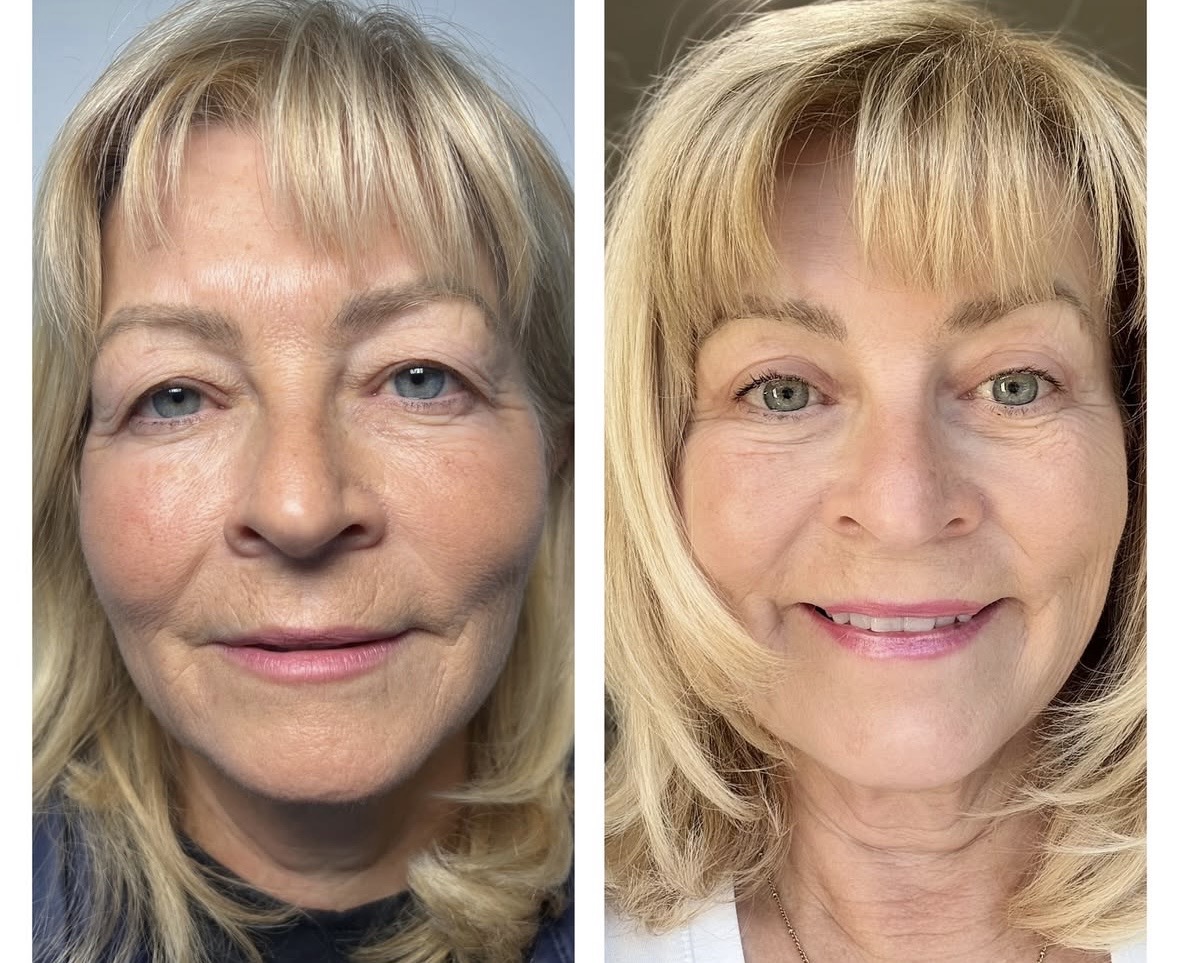
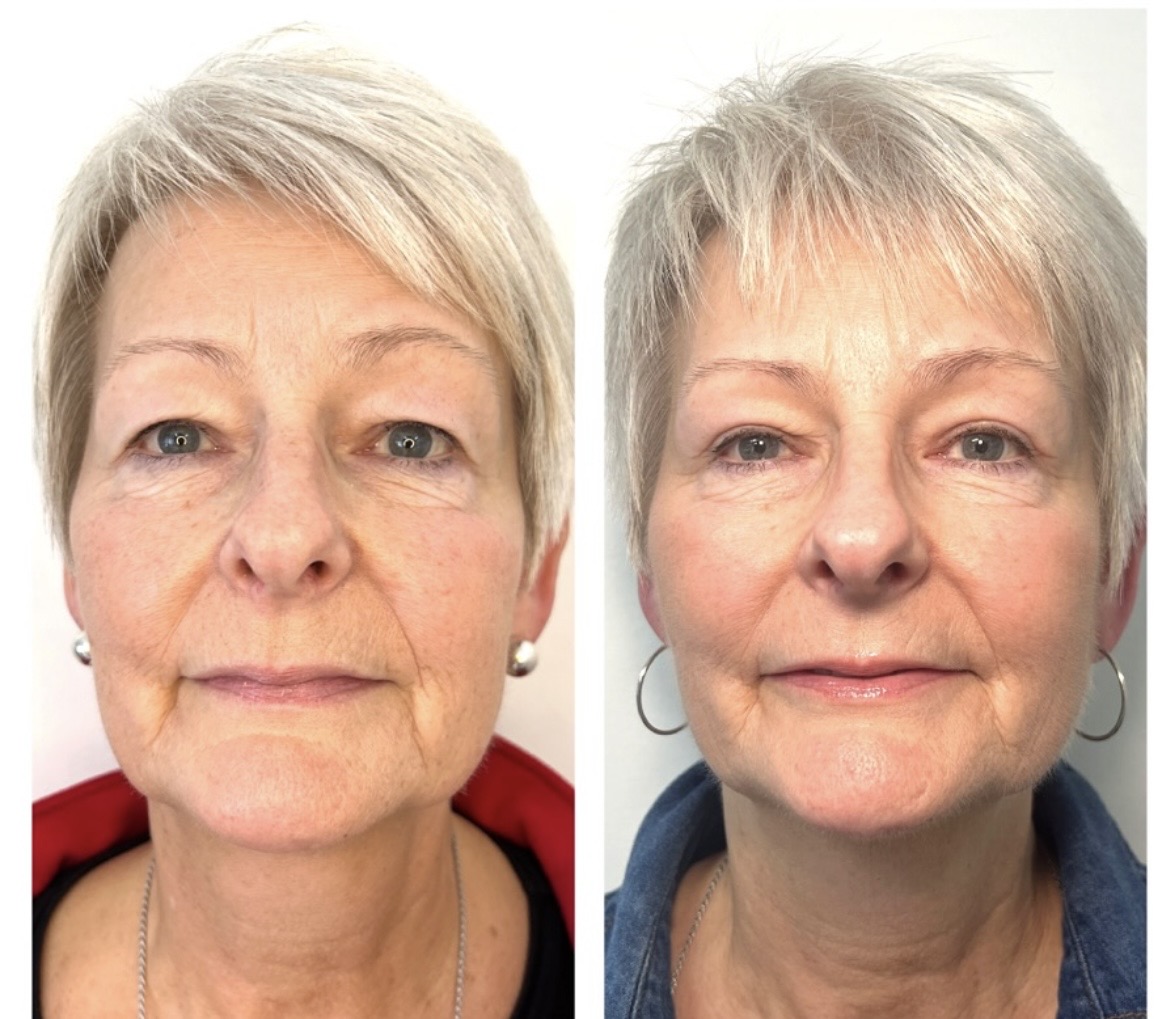
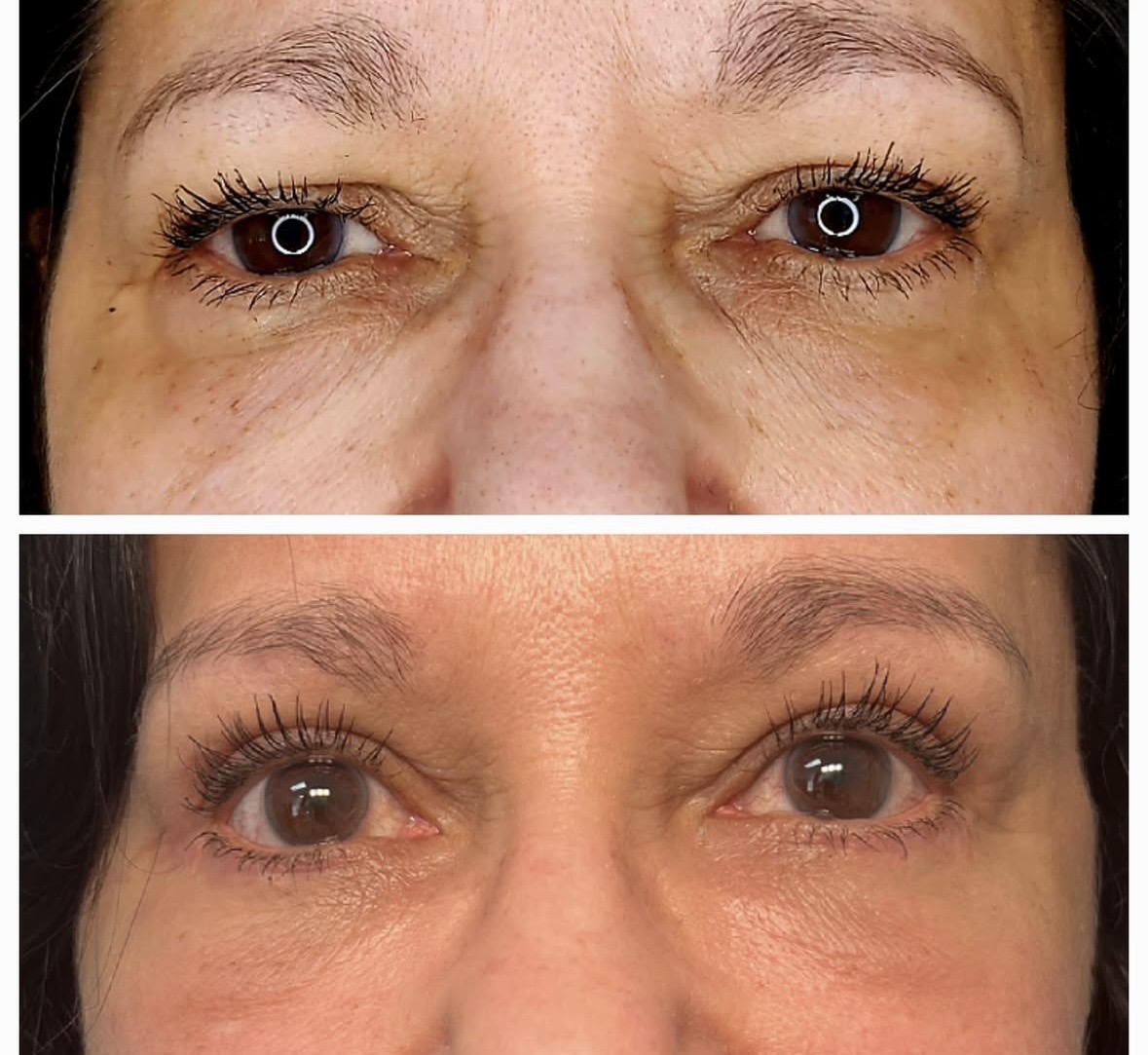
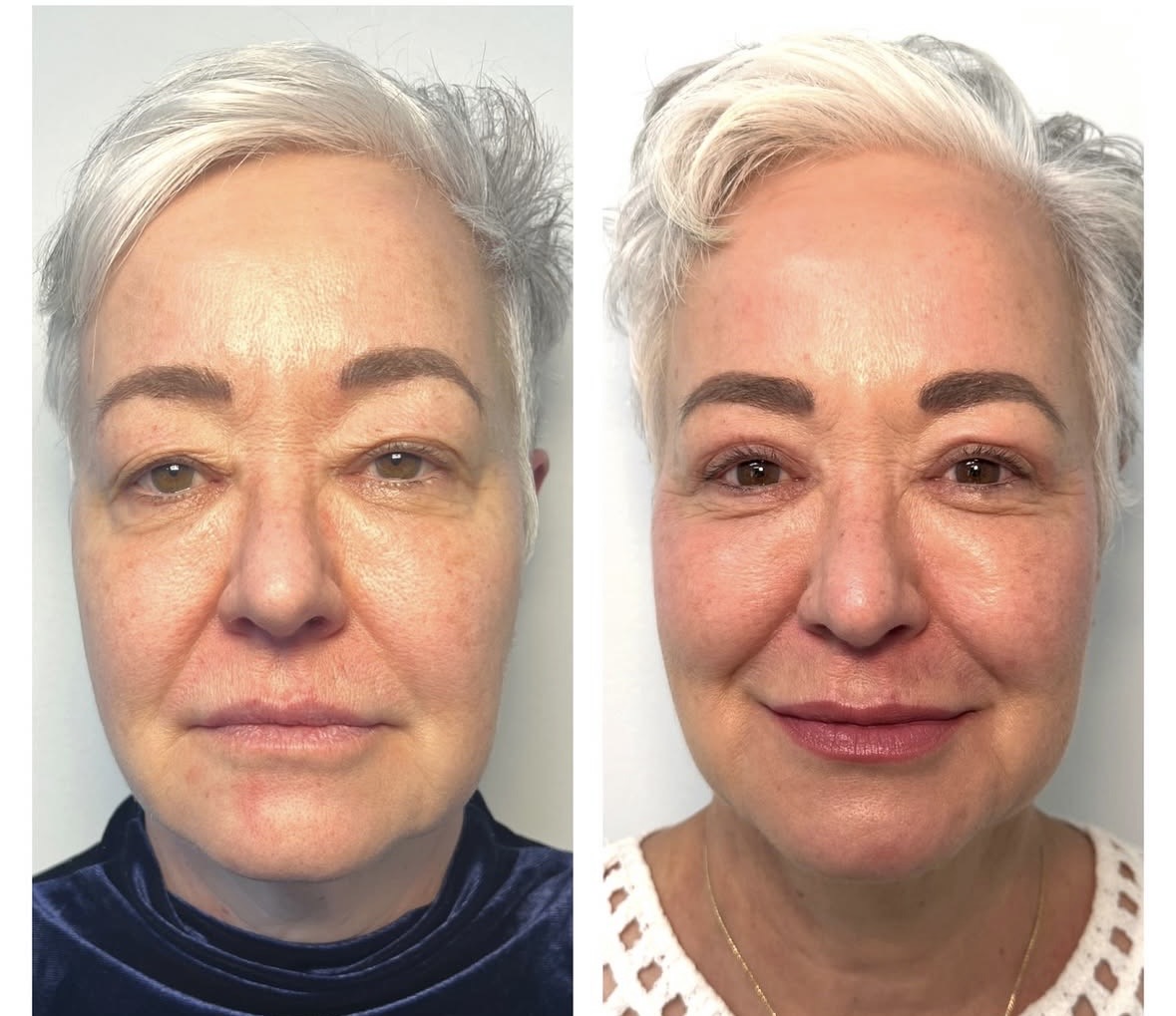
This procedure addresses drooping upper eyelids, hooded skin, and fat fullness that can create a tired appearance or, in some cases, interfere with vision. By carefully refining excess tissue, upper blepharoplasty restores a smoother eyelid contour and a more alert, refreshed look.
As we age, skin elasticity decreases, and the upper eyelids can become heavier. Upper eyelid surgery improves eyelid definition while preserving natural facial expression. For patients evaluating upper blepharoplasty or brow lift, a detailed consultation helps determine whether eyelid skin excess or brow position is the primary concern.
At Nichols Facial Plastic Surgery in London, Ontario, treatment is customized to maintain balance between the eyelids, brow, and surrounding facial features.
Upper Eyelid Procedure
Upper eyelid surgery, also known as upper eyelid blepharoplasty, involves a precise incision placed within the natural crease of the upper eyelid. This allows removal of excess skin and repositioning of fat to restore a smoother contour and reduce hooding.
In some cases, minor muscle adjustment is performed to improve eyelid definition. The incision is carefully designed so scars remain concealed within the natural fold once healed. For patients considering upper eye surgery in London, Ontario, the goal is subtle refinement that preserves natural expression.
Recovery & Results
Recovery after upper blepharoplasty is typically straightforward. Mild swelling and bruising may last one to two weeks, with many patients returning to normal activities within 7 to 10 days.
Because upper eyelid blepharoplasty removes excess skin permanently, the results are long-lasting. When performed by experienced plastic surgeons with focused training in facial plastic surgery, outcomes are balanced and natural, enhancing the eyes without altering facial identity.
Key Facts
Consult: 45 minutes
Procedure: 1 hour
Recovery: 2- 4 weeks
Note: Individual results can vary.
Why Choose Dr. Nichols for Upper Eyelid Surgery?
Choosing the right surgeon is essential when considering upper eyelid surgery or upper eyelid blepharoplasty. Dr. Nichols specializes exclusively in facial plastic surgery, with focused expertise in eyelid anatomy, brow position, and facial balance.
Patients researching plastic surgeons in London, Ontario, for blepharoplasty benefit from a detailed consultation process that evaluates eyelid skin excess, brow position, and overall facial proportions. Whether a patient requires upper eye surgery alone or is deciding between upper blepharoplasty or brow lift, treatment is customized for subtle, natural results.
Every surgical plan is designed to preserve normal eyelid function while restoring a refreshed and more alert appearance.
Frequently Asked Questions
What is upper blepharoplasty?
Upper blepharoplasty is a surgical procedure that removes excess skin and sometimes fat from the upper eyelids to create a more open, refreshed appearance.
How much does upper eyelid surgery cost in Canada?
In Canada, upper eyelid surgery typically ranges from $4,000 to $8,000 CAD, depending on:
- Surgeon’s expertise and credentials
- Clinic location
- Anesthesia type
- Whether it is combined with lower eyelid surgery or other procedures
If the procedure is performed for functional reasons, such as vision obstruction, partial coverage may be possible. Cosmetic blepharoplasty is not covered by provincial insurance plans.
A consultation is required for personalized pricing.
What are the downsides of upper blepharoplasty?
Upper blepharoplasty is generally safe when performed by a qualified facial plastic surgeon, but potential risks include:
- Temporary swelling and bruising
- Dry eyes
- Asymmetry
- Visible scarring
- Difficulty fully closing the eyes during early healing
- Rarely, changes in eyelid position
Most side effects are temporary and resolve during recovery. Proper surgical technique and conservative tissue removal are critical to natural results.
How painful is upper eyelid surgery?
Upper eyelid surgery is typically performed under local anesthesia with or without mild sedation. Patients do not feel pain during the procedure.
After surgery, discomfort is usually mild and described as tightness or soreness rather than pain. Most patients manage recovery with cold compresses and mild pain medication. Significant pain is uncommon.
Is it worth getting upper eyelid surgery?
For appropriate candidates, upper blepharoplasty can significantly improve:
- Tired or heavy-looking eyes
- Hooded upper eyelids
- Vision obstruction from excess skin
- Makeup creasing issues
The results are long-lasting and often make patients look more rested and alert without changing their natural facial expression.
Why can’t you watch TV after eyelid surgery?
After surgery, the eyes can feel dry and sensitive. Watching TV, using phones, or reading reduces blinking frequency, which can worsen dryness and strain healing tissues.
Patients are usually advised to limit screen time for the first few days to reduce irritation and support recovery.
At what age is eyelid surgery best?
Most patients undergo upper eyelid surgery between 35 and 65 years old, but age is not the deciding factor.
The best candidates are those with:
- Excess upper eyelid skin
- Hooding that alters eye shape
- Functional vision obstruction
Some younger patients with hereditary hooding may also benefit.
What can you do instead of eyelid surgery?
Non-surgical alternatives may include:
- Neuromodulators to lift the brow
- Dermal fillers in the brow or temple
- Skin tightening treatments
- Laser resurfacing
However, non-surgical treatments cannot remove excess skin. For significant hooding, surgery provides the most predictable and long-lasting result.
What is the flower rule for blepharoplasty?
The “flower rule” refers to a surgical principle that preserves enough eyelid tissue to maintain natural closure and function. Conservative removal ensures the eye does not appear hollow or overcorrected.
Modern blepharoplasty prioritizes natural anatomy and eyelid support rather than aggressive skin removal.
How long does upper eyelid surgery last?
Results often last 10 to 15 years or longer. While aging continues, removed skin does not return.
How long is the recovery from upper eyelid surgery?
- Sutures removed in 5 to 7 days
- Most bruising improves in 10 to 14 days
- Return to work in about 7 to 10 days
- Final results are visible within 2 to 3 months
Will I have visible scars after upper blepharoplasty?
Incisions are placed in the natural eyelid crease. Once healed, scars are typically well concealed and fade significantly over time.
Can upper eyelid surgery improve vision?
Yes. If excess skin obstructs the upper visual field, removing it may improve peripheral vision.
Can upper eyelid surgery look natural?
When performed conservatively by a facial plastic surgeon, results enhance the eyes without changing identity. The goal is refreshed, not altered.
Can upper eyelid surgery be combined with other procedures?
Yes. It is commonly combined with:
- Lower eyelid surgery
- Brow lift
- Facelift
- Laser resurfacing
Combination procedures can enhance overall facial harmony.